|
MALMÖ, Sweden (SAC) — A worker brutally beaten up by his boss. Union members on trial for participating in a peaceful picket line. A crackdown on legal pickets and protests. |
I am not taking about the USA in the 1930s. Nope, I’m taking about present-day Sweden. Yup, Sweden- that peaceful, labor-friendly Sandinavian utopia.
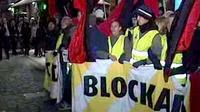
Twenty-six union members in Sweden were recently found guilty of disobedience and blocking public space by participating in a legal picket line. While the sentences weren’t nearly as bad as they could have been (fines instead of jail time), the ruling sets a dangerous precedent by saying that workers who participate in legally protected actions may not be so legally protected after all.
While the case of the Malmö 26 might be news to some of us American labor organizers, militants in the Swedish labor movement have been engaged in this case for almost 2 years.
I learned of the Malmö 26 during a visit to Malmö, Sweden this past September. I was in town to attend the European Social Forum and was able to meet with members of the SAC, Sweden’s anarcho-syndicalist union and the union responsible for the “disobedient” picket line.
In 2006, workers from the SAC’s Hotel and Restaurant union organized at Izakaya Koi, a sushi restaurant in Malmö. That autumn, a cook was badly beaten up by the restaurant owner and subsequently fired. The SAC made several attempts to hold the boss accountable for his actions.
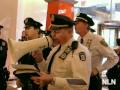
In response to this disgraceful behavior and the subsequent evasion of responsibility, the SAC put up a picket line in front of the restaurant on Dec 1st, encouraging diners to eat elsewhere. The police then attacked the picketers, using pepper spray and physical force to break up the line.
Prosecutor Mats Svensson then brought criminal charges against 26 of the picketers, and thus the 2-year battle ensued. According to the SAC, this is the first time there’s been such a case against industrial union action in Sweden. It’s also the largest conviction in connection with a picket line.
The case illuminates the threat posed by a union like the SAC. While unions in the mainstream trade union federation are given relative freedom compared to US trade unions, unions that fall outside the typical third party business union model are met with brutal state repression.
“Trade unions must be able to pursue industrial action to protect their members or to fight for better conditions. It is an absurd situation that the head of the state calls on police to get rid of us. Hotels and catering is a tough industry for workers with many frivolous and criminal employers. In the industry, there must be strong unions that fight for their members,” said SAC member Liv Marend in a press release (translated from Swedish).
As of yet, the SAC is unsure if they will appeal the case. A fiercely independent union, they have never relied on the law to exact justice. If anything, the case of the Malmö 26 further illustrates the absolute necessity for unions to rely on grassroots organizing and direct action to achieve gains for workers. This is a fact the SAC knows all too well, and they will continue the fight for justice.